 01796262185
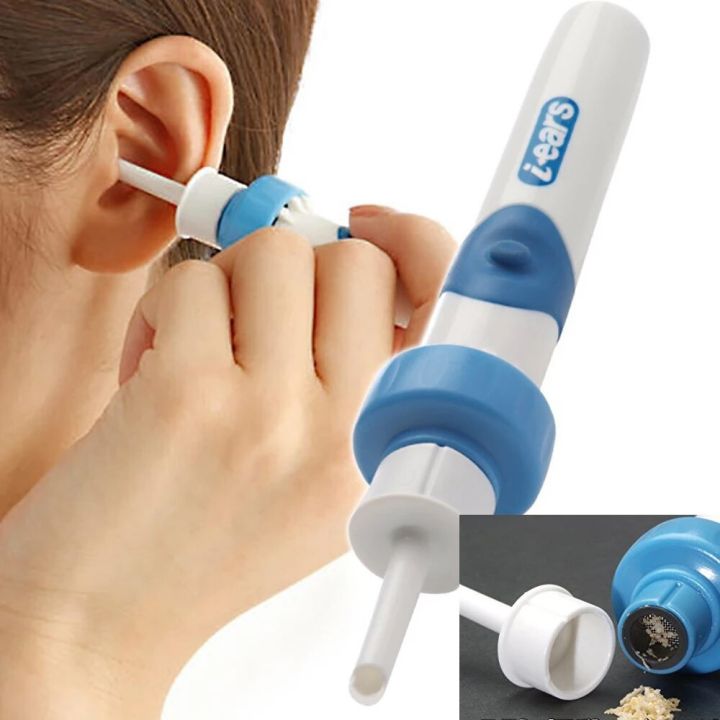
How to Properly Clean Your Ears?
Earwax, also known as cerumen, is not just an ugly nuisance, it actually plays a number of vital roles in keeping our ears healthy. I’ve learned to love the protection that earwax provides to my ears. It’s a natural substance meant to lubricate and clean the ear canal, while trapping dust, dirt and bacteria. This forms a natural defense that lowers the chance of infection. What I’ve discovered is that the ear has a pretty cool system to clean itself — the wax is supposed to move outward on its own, with a little help from my jaws chomping and talking.
I need to know why it’s important to let earwax be until unless it becomes symptomatic. It not only keeps me safe from viruses, it keeps my ear canal from drying out and getting irritated.
Therefore I always try to not over-clean, as this balance can also be disturbed in a negative way.
Dangers of Too Much Earwax
While earwax is beneficial, I’ve come to learn it can possibly lead to problems if there is too much of it. Blockage of the earwax can cause discomfort such as sense of fullness in the ear, reduced hearing, ear ringing (tinnitus), and even vertigo. I have since noticed these signs and know when to start caring for how to clean my ear.
Too much earwax may cause further problems such as ear infections or damage to the eardrum. However, I have read advice which indicates that if you have these symptoms, you should get help quickly and not try to deal with it yourself at home. My symptoms may not always come from ear wax build up from time to time, but just to be on the safe side, it’s worth getting it checked.”
Earwax Removal In Safe Mode
When looking into how to clean my ear safely, I choose gentle methods that are not going to hurt my ears. There is one really good method I’ve learned regarding how to soften earwax beforehand. I am able to drop fair amounts into my ear canal using an eye-dropper of mineral oil, baby oil, or even hydrogen peroxide. This helps to soften the build-up of wax in the ear, which makes it easier to remove.
After then I may use a more gentle irrigation. I can squirt warm water into my ear while tilting my head to let the water and wax drain out, using a rubber-bulb syringe. It’s stupid and it works, and I even do this with it, just to make sure I’m not going to have a mistake. In my opinion, patience is the answer and repeated softening and irrigation when necessary.
I mustn’t do bad things, like sticking cotton swabs in my ears. I know cotton swabs can actually push earwax into the ear canal, doing more harm than good. Instead, I would rather limit my cleaning to the outside of the ear, periodically wiping it gently with a damp cloth. I can see that with ear care, less is often more.
When You Need Professional Help
My relationship with ear health, I have found, has led me to believe that sometimes you need professional assistance. But, If I still experience symptoms even with my at-home cleaning process or there are earaches and a lot of hearing loss involved, then I know it’s time to see my doctor. EMTs have the special equipment and training needed to clear earwax blockages safely and at the correct depth.
A clinician can examine my ears when I visit and clear out whatever is causing whatever me issue that I never knew I had by using beaty little tools such as curettes (small spoon like ear cleaners) or suction devices that are made for performing vakht (ear cleaning). They know without getting in to much trouble with my sensitive ear structures when they remove the wax. And while I try to take care of my ears at home, I know the importance of a professional evaluation if my symptoms are worrisome or lingering.
I have since come to understand that my ears are self-cleaning delicate and complex organs. As I’ve explored how to clean my ear and how to remove ear wax, I’ve learned to stay safe and use small amounts. These measures will not only save me from damaging my ears but also improve my quality of life.


 Email: abidhearing007@gmailcom
 Corporate Office: